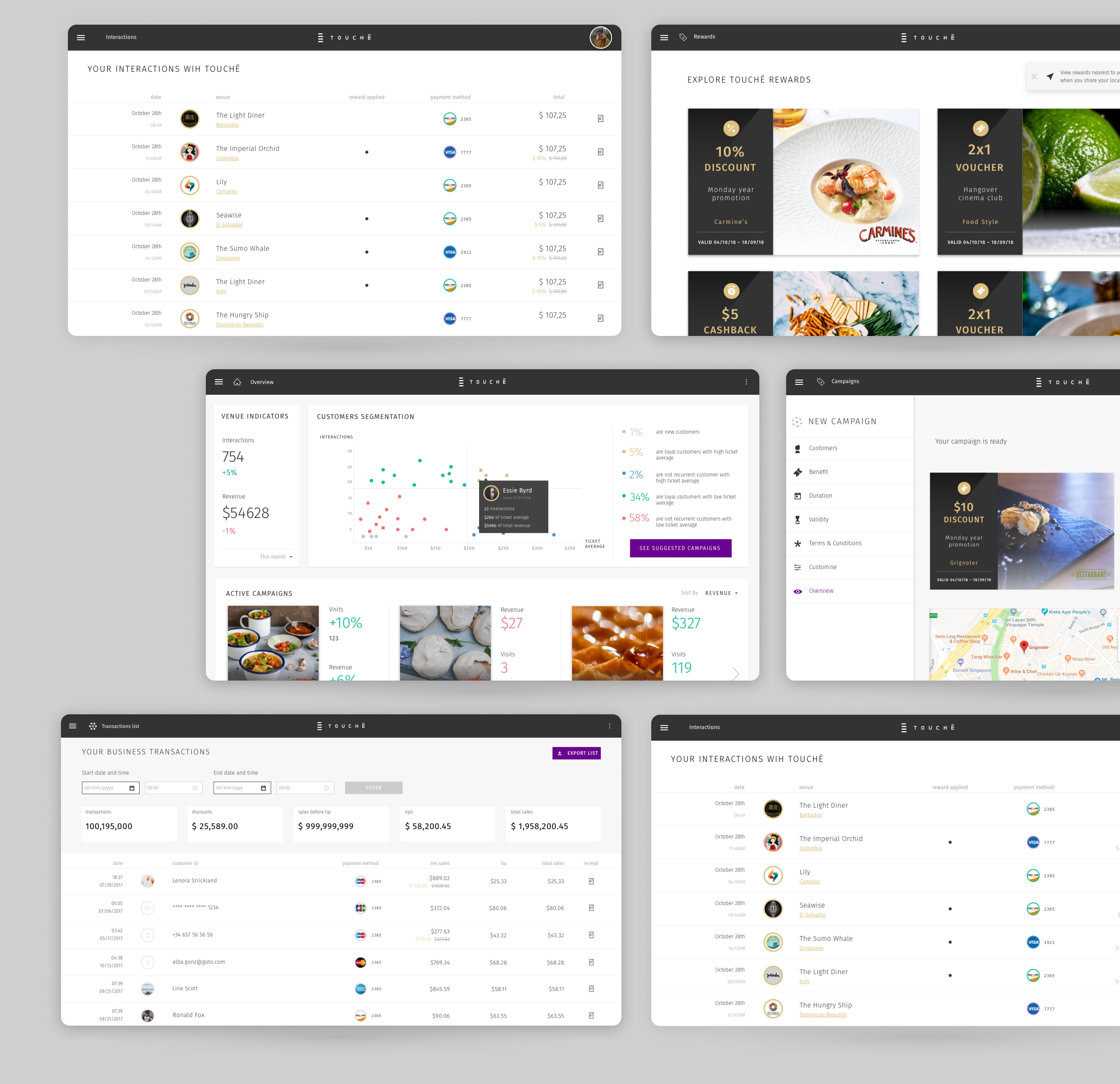
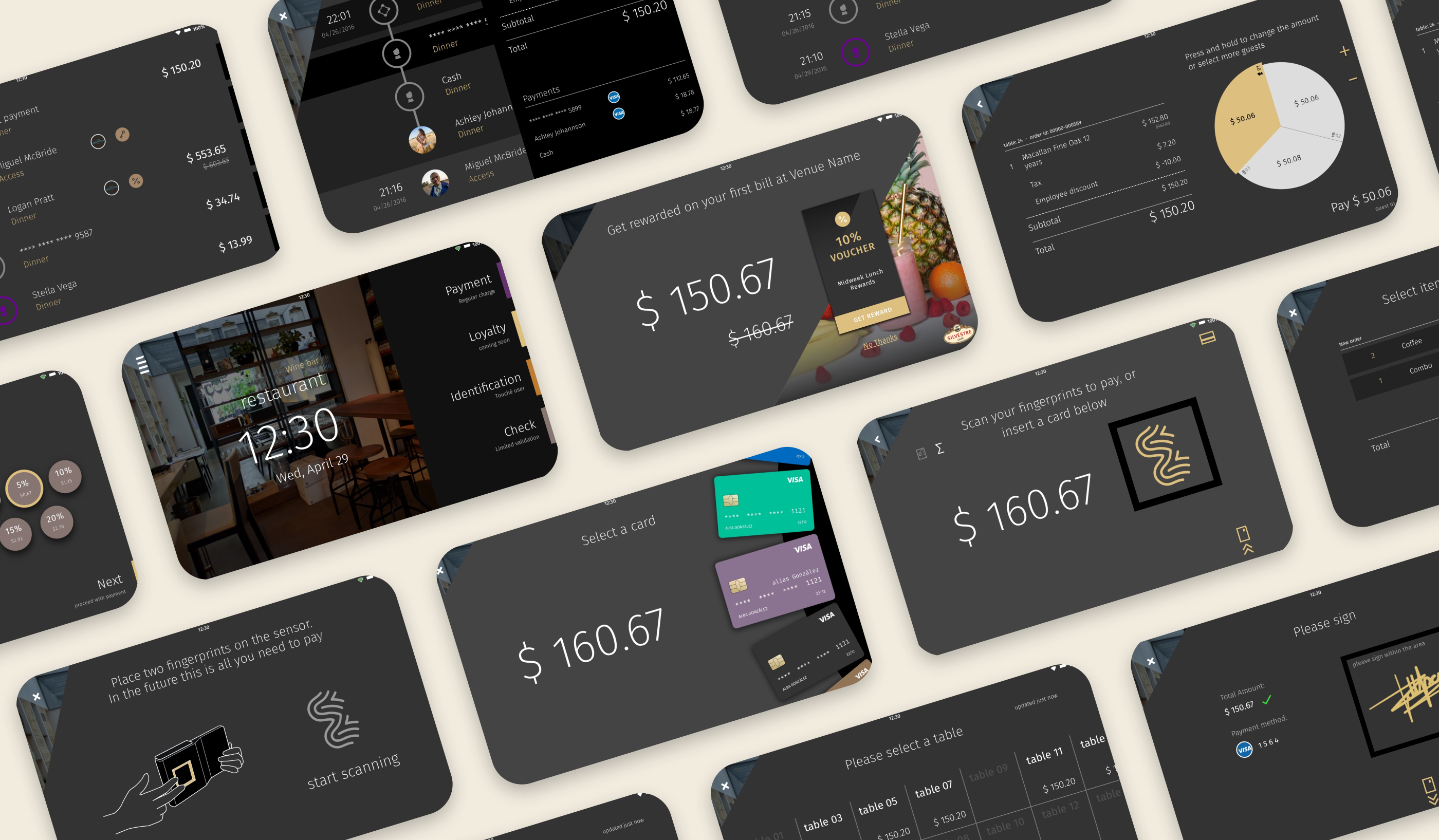
To tackle these challenges, I implemented a design strategy that combined user research, iterative prototyping, and stakeholder collaboration. Working closely with the Product Director and a team of two other talented designers, we developed a cohesive approach to create a product that met both user and business needs:
Empathy-Driven Research: Conducted interviews with F&B staff and managers to map workflows and identify friction points. For example, a bartender shared, "During busy shifts, having to manually split bills and process tips slows us down and frustrates customers waiting at the bar." Another staff member noted, "We lose valuable time running cards back and forth from tables to the payment terminal, especially during peak hours." Similarly, a restaurant manager explained, "Our team struggles to track customer preferences, which makes it hard to offer personalized experiences." This insight highlighted the need for streamlined payment processes and intuitive interfaces.
Human-Centered Design: Prioritized user-friendly interfaces for both staff and customers, ensuring intuitive navigation and minimal learning curves. For instance, we designed an interface that allowed waitstaff to split bills with just a few taps—a feature inspired by feedback like, "I need something that works as fast as I do during peak hours," from a bartender. Additionally, the loyalty program interface was simplified after a manager shared, "Our guests often forget their rewards cards, so it has to be seamless with no extra steps for them." These insights directly shaped our iterative design process and final product features.
Cross-Functional Collaboration: Worked closely with engineering and operations teams to align functionality with business goals, while also serving as part of the marketing team due to our startup structure.
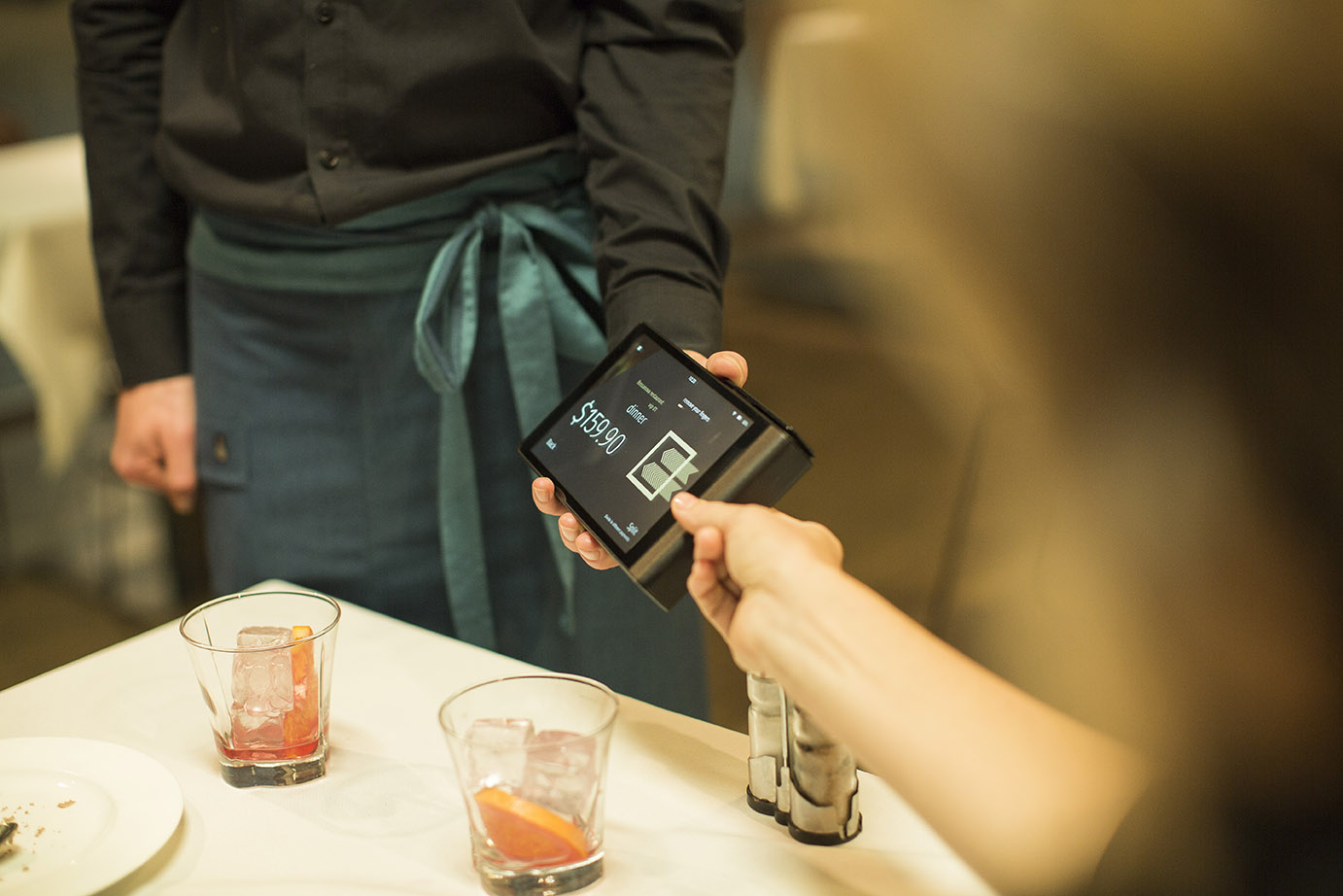
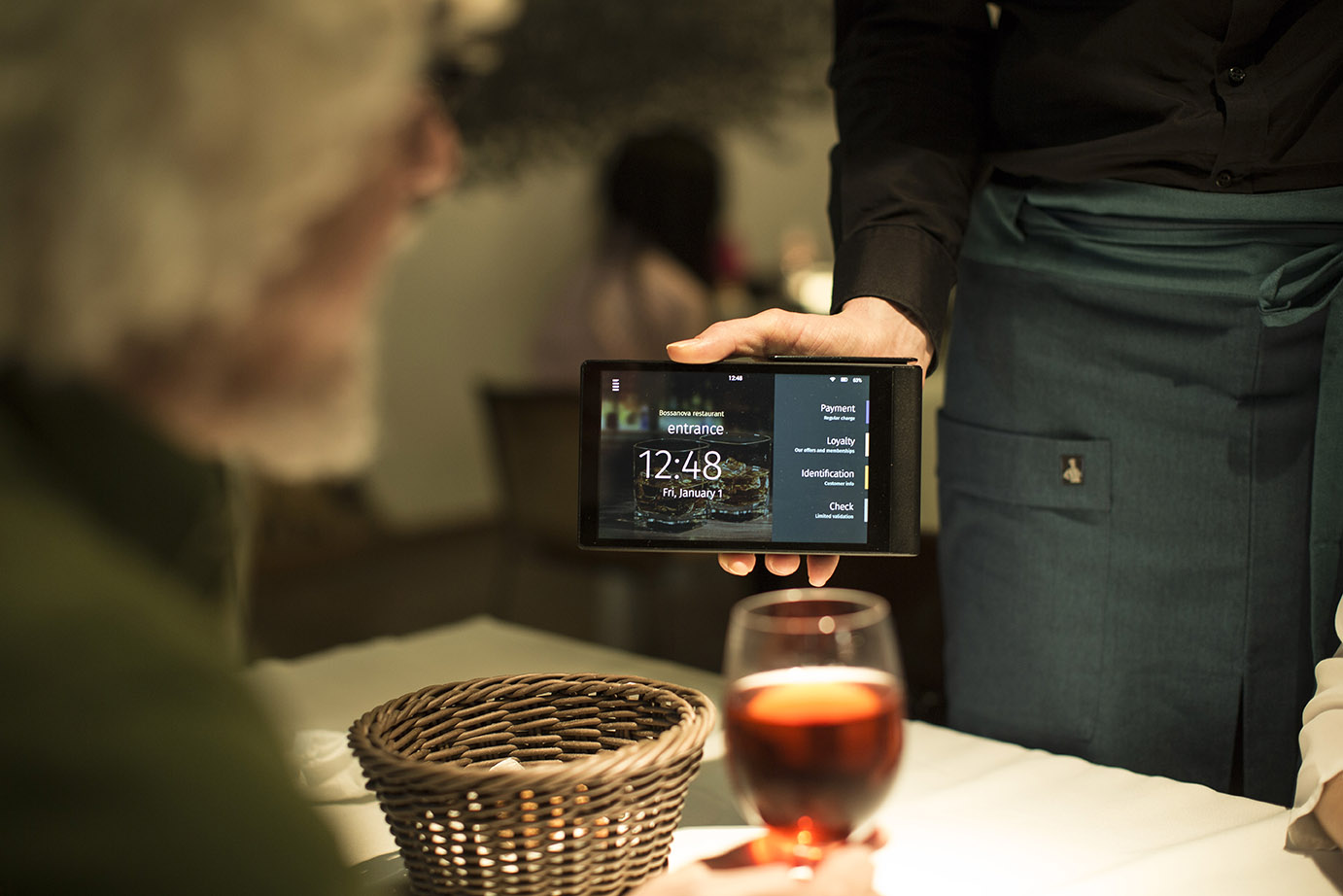
Imagine a diner’s experience: A customer is seated at a busy restaurant. They order their meal, and as they finish, the server approaches with a Touché device. The customer reviews their order directly on the device, selects the option to split the bill with their friends, and pays effortlessly using a fingerprint or a credit card. The receipt is instantly sent to their phone, and any earned loyalty points are automatically credited to their profile. Meanwhile, for the staff, Touché eliminates the need to run back and forth between the table and a fixed terminal. The server processes the payment on the spot, reducing time spent on transactions and enabling them to focus on enhancing the dining experience.
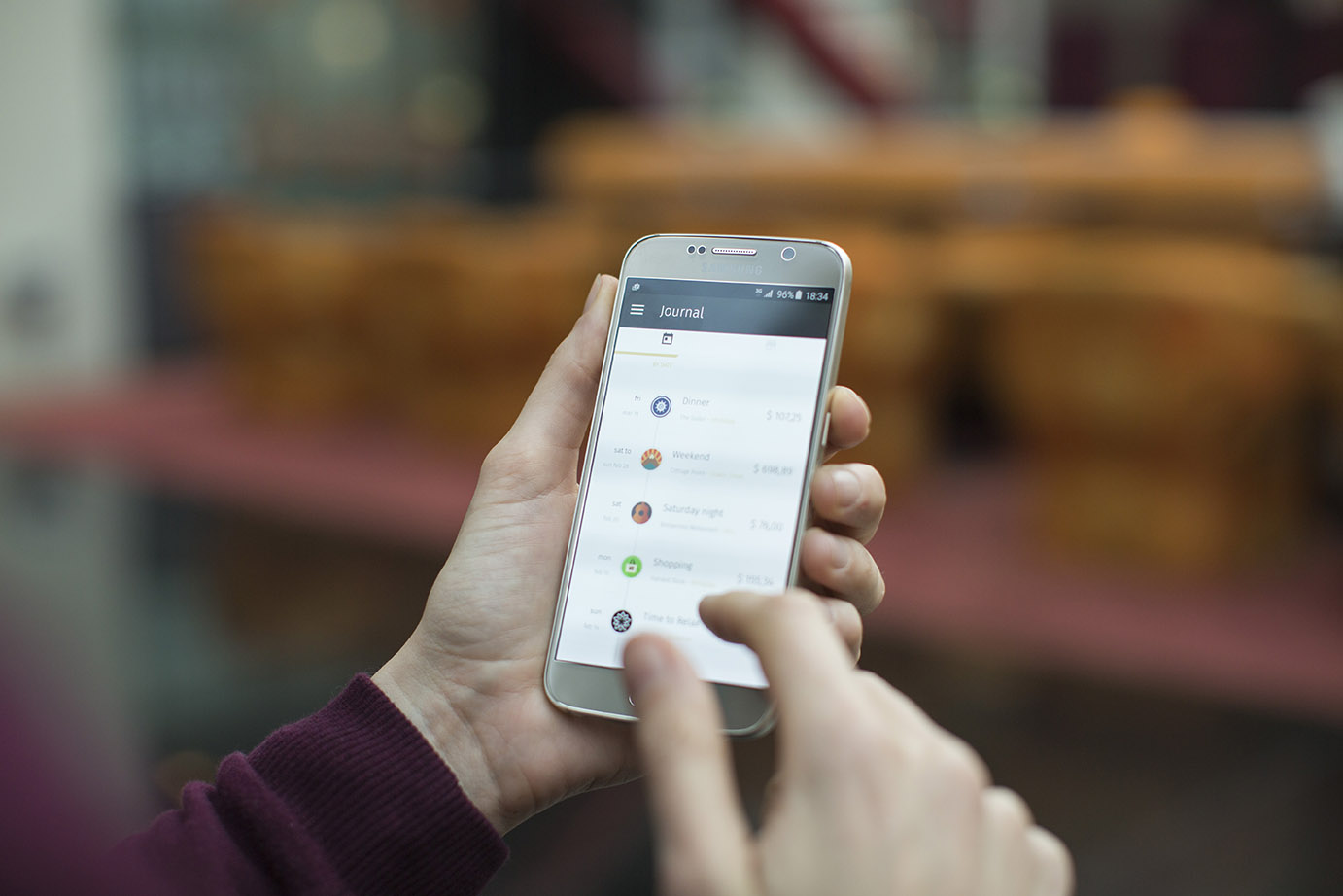
Integrated Payment Device: Supported chip, magnetic stripe, biometrics, and QR code payments, eliminating delays and enhancing flexibility.
Pay-at-Table Experience: Empowered customers to review and pay bills directly at their tables, streamlining operations.
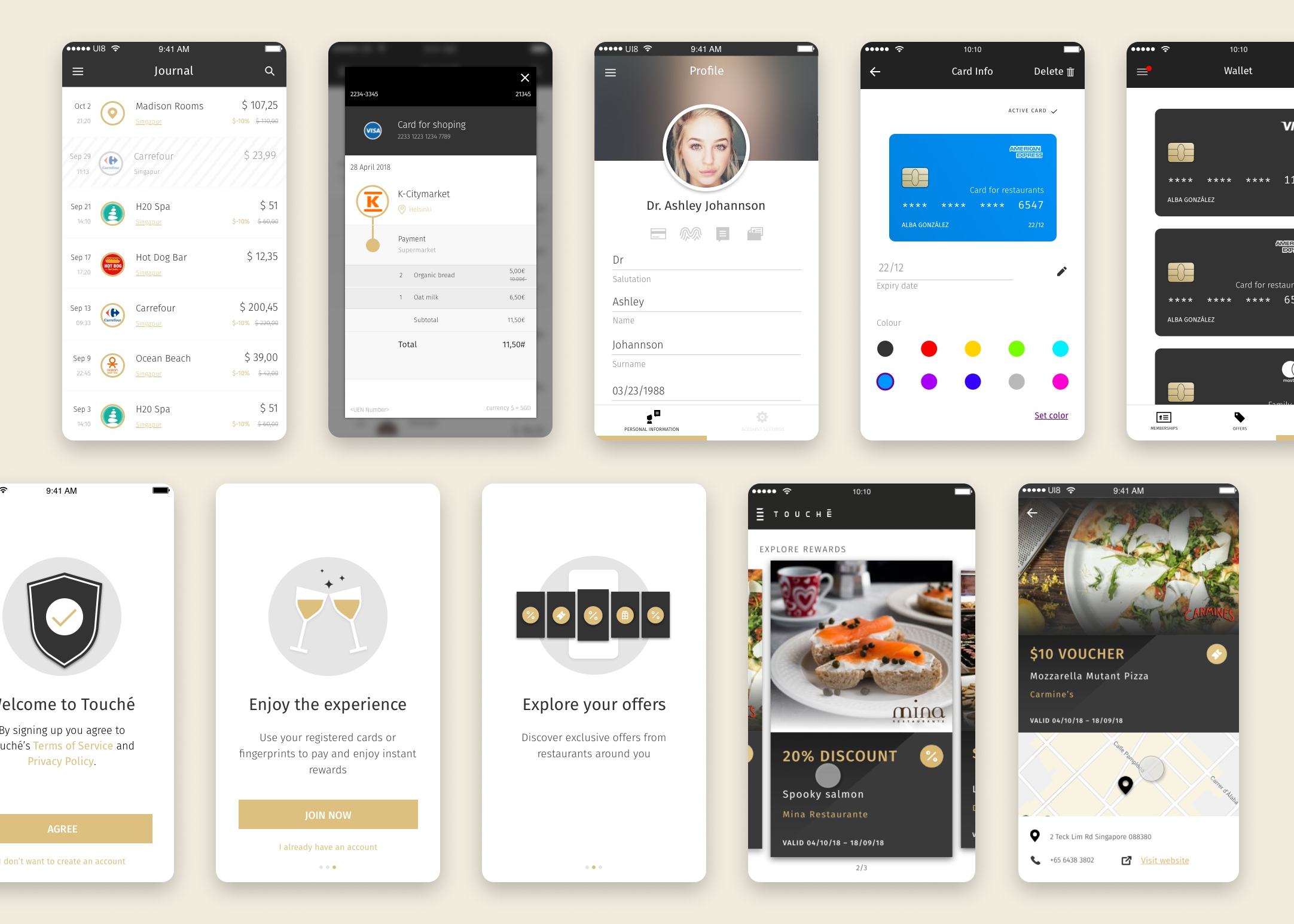
Digital Receipts and Rewards: Introduced paperless solutions with automatic loyalty integrations, simplifying customer retention efforts.
Data-Driven Insights: Enabled businesses to segment customers and craft personalized campaigns using robust analytics tools.
Key Features Included
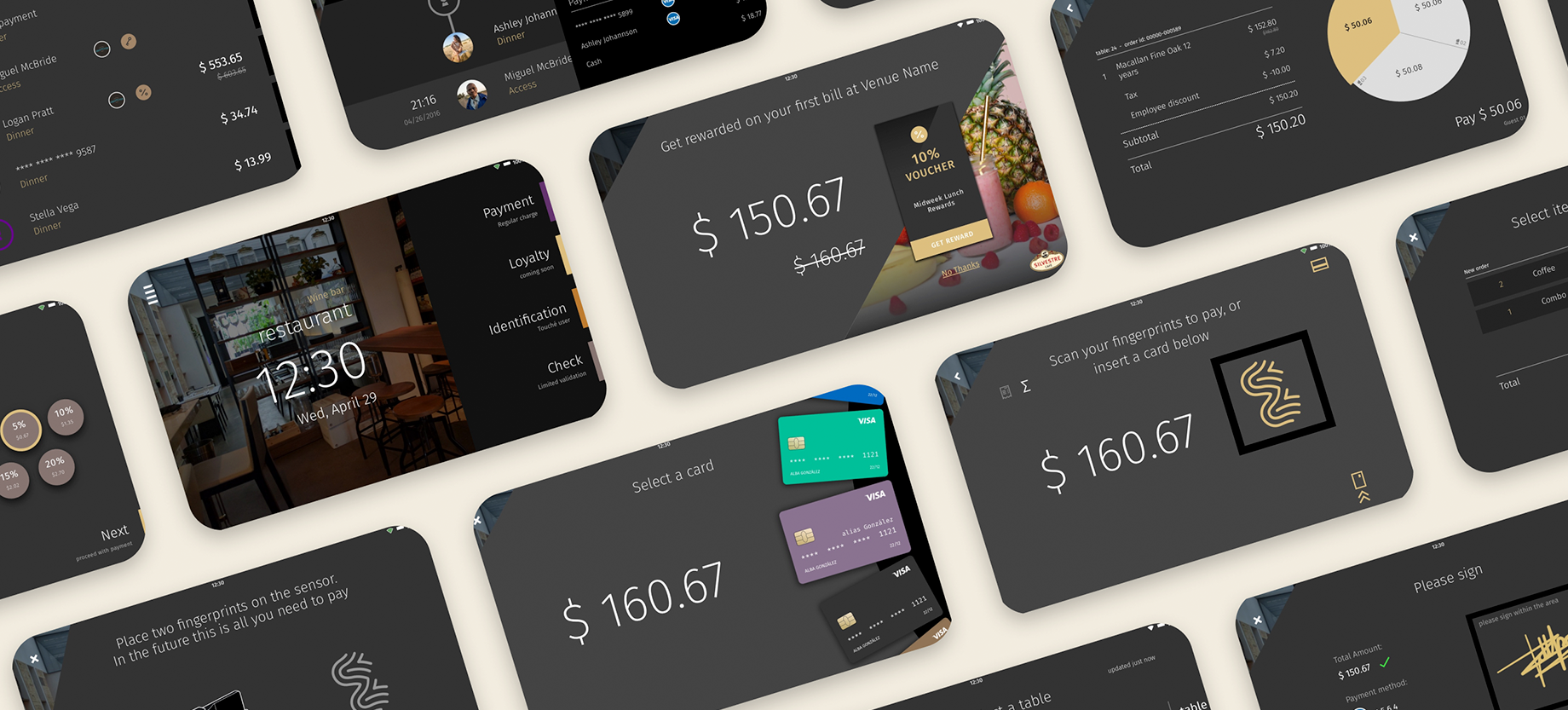
Responsive Interface: Optimized for quick actions, such as splitting bills, adding tips, and redeeming rewards, ensuring seamless use during peak hours.
Intuitive Dashboard: Provided businesses with actionable insights through clear data visualizations, aiding decision-making.
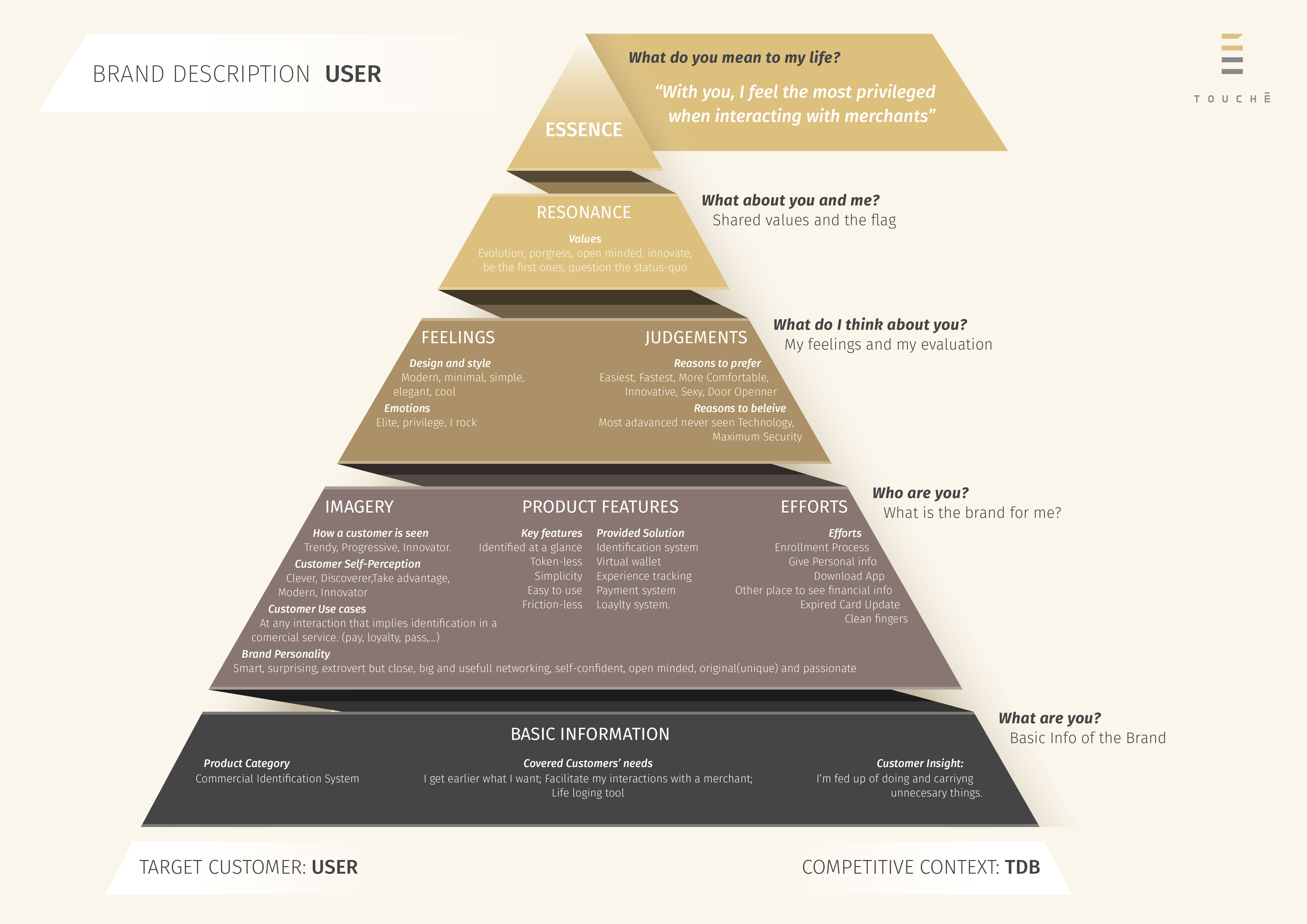
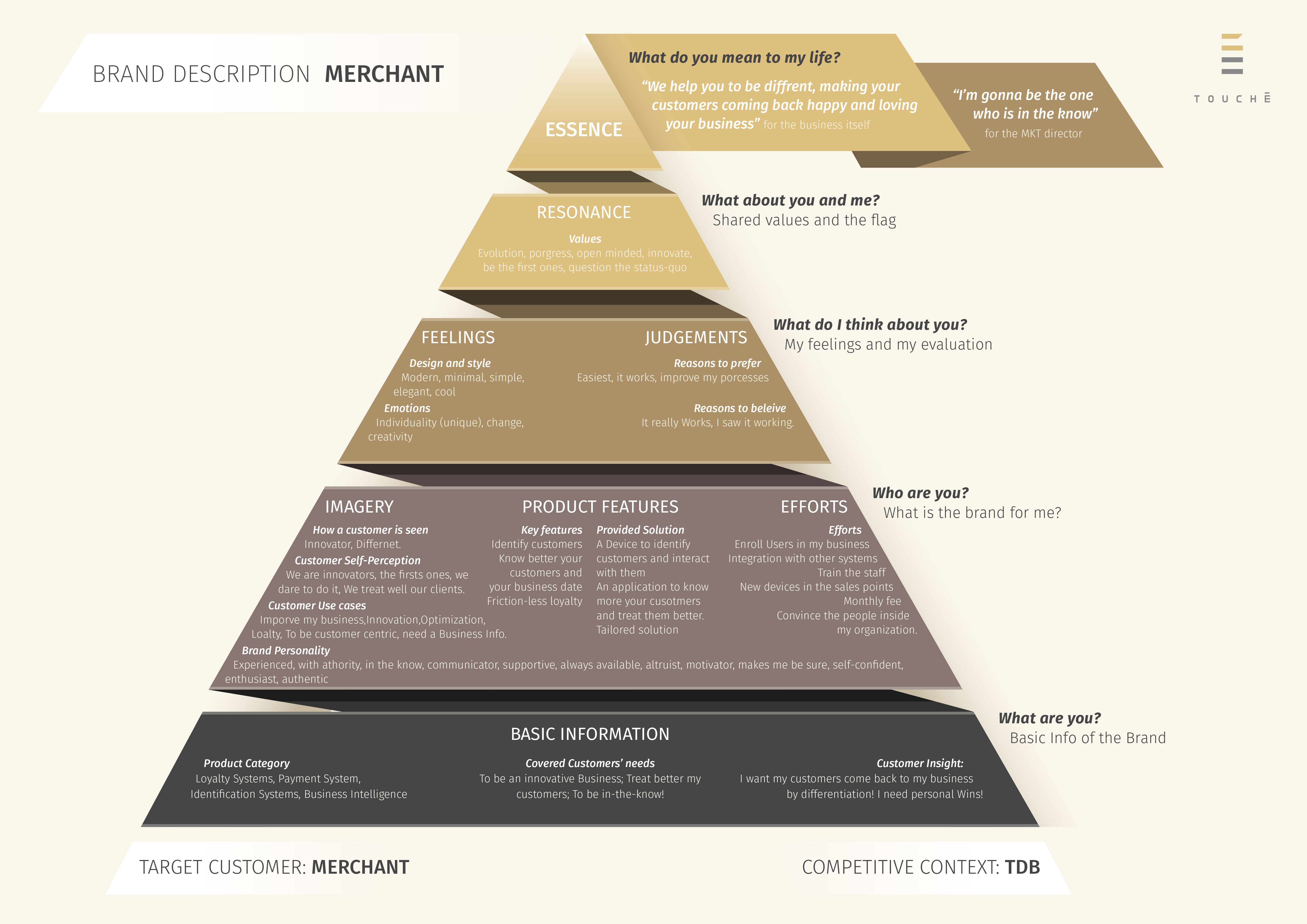
Elegant Aesthetic: Combined functionality with a clean, professional design that aligned with Touché’s brand identity.
Design Highlights