Redefining Loyalty at FREE NOW

Ux/Ui, Product Design
‍Role: Lead Product Designer
Company: FREE NOW
Years: 2019 -2021
Tools: Figma, Miro, Tableau, Usability Testing Frameworks.
Project Overview
What if your loyalty program was hiding in plain sight, failing to inspire the very users it was meant to engage? At FREE NOW, I led the charge to turn an underperforming feature into a driver-centered experience that rewards effort, builds retention, and inspires progress. Here’s how we made loyalty visible, actionable, and impactful.
As the Lead Product Designer at FREE NOW, I was tasked with transforming our loyalty program into a feature that not only rewarded drivers but also drove their engagement and retention. The goal was clear: to create a meaningful, data-driven system that motivates our drivers to improve their service while fostering long-term loyalty. This case study showcases the process of research, design, and iteration that led to a measurable increase in loyalty program adoption and engagement.
Introduction
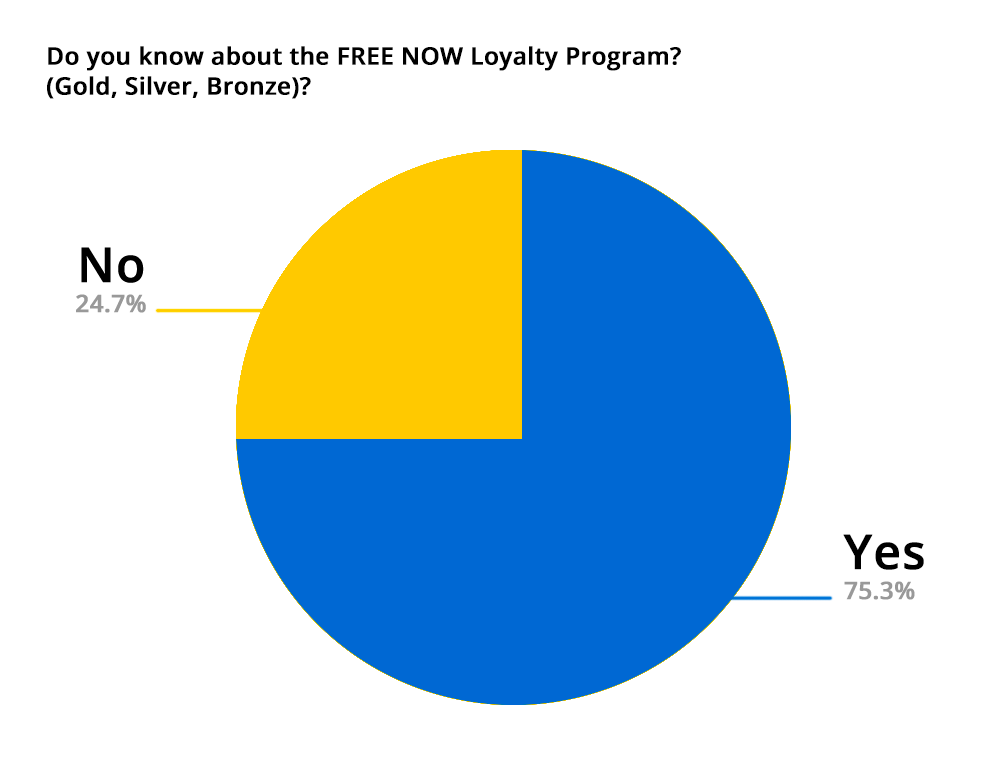
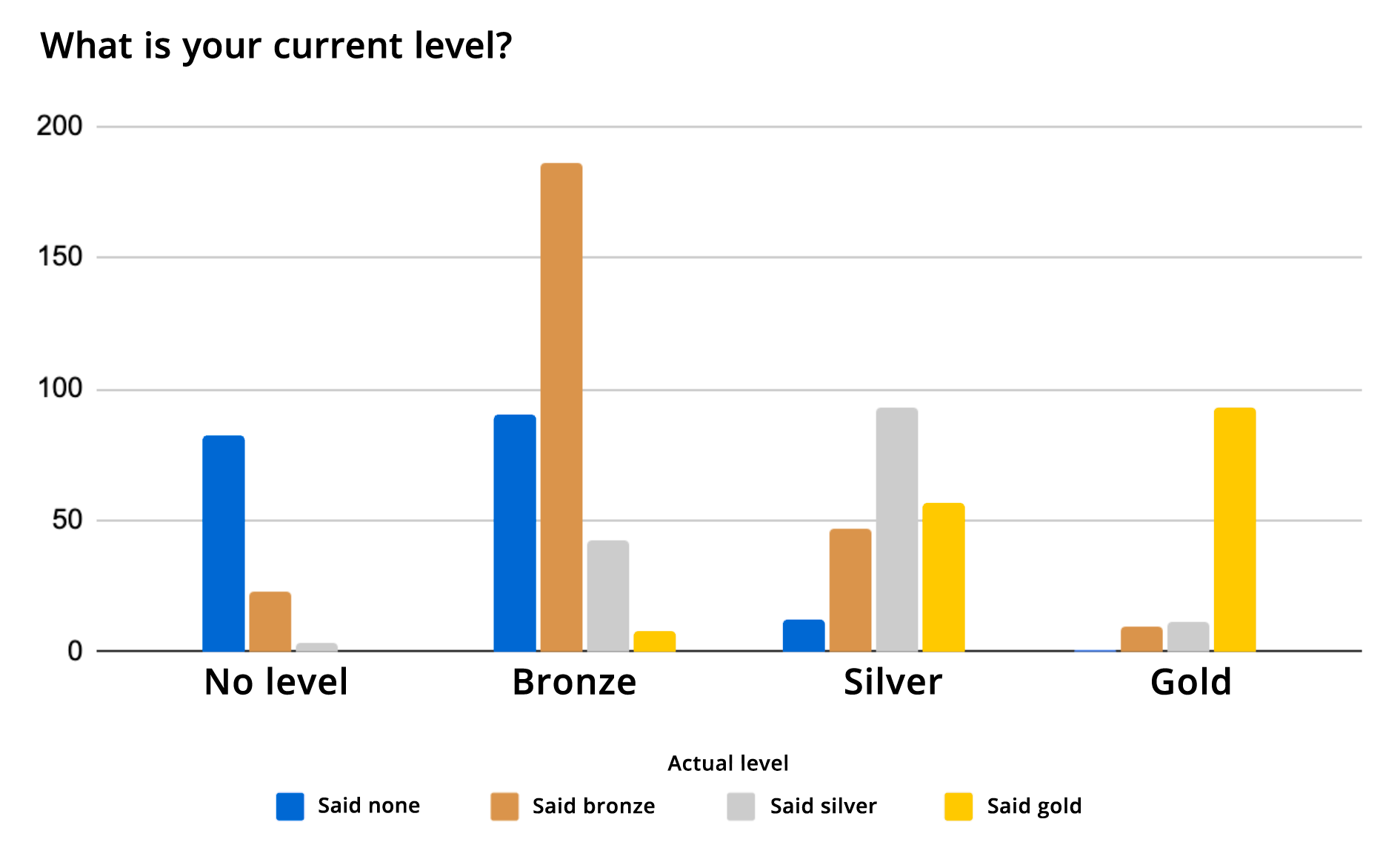
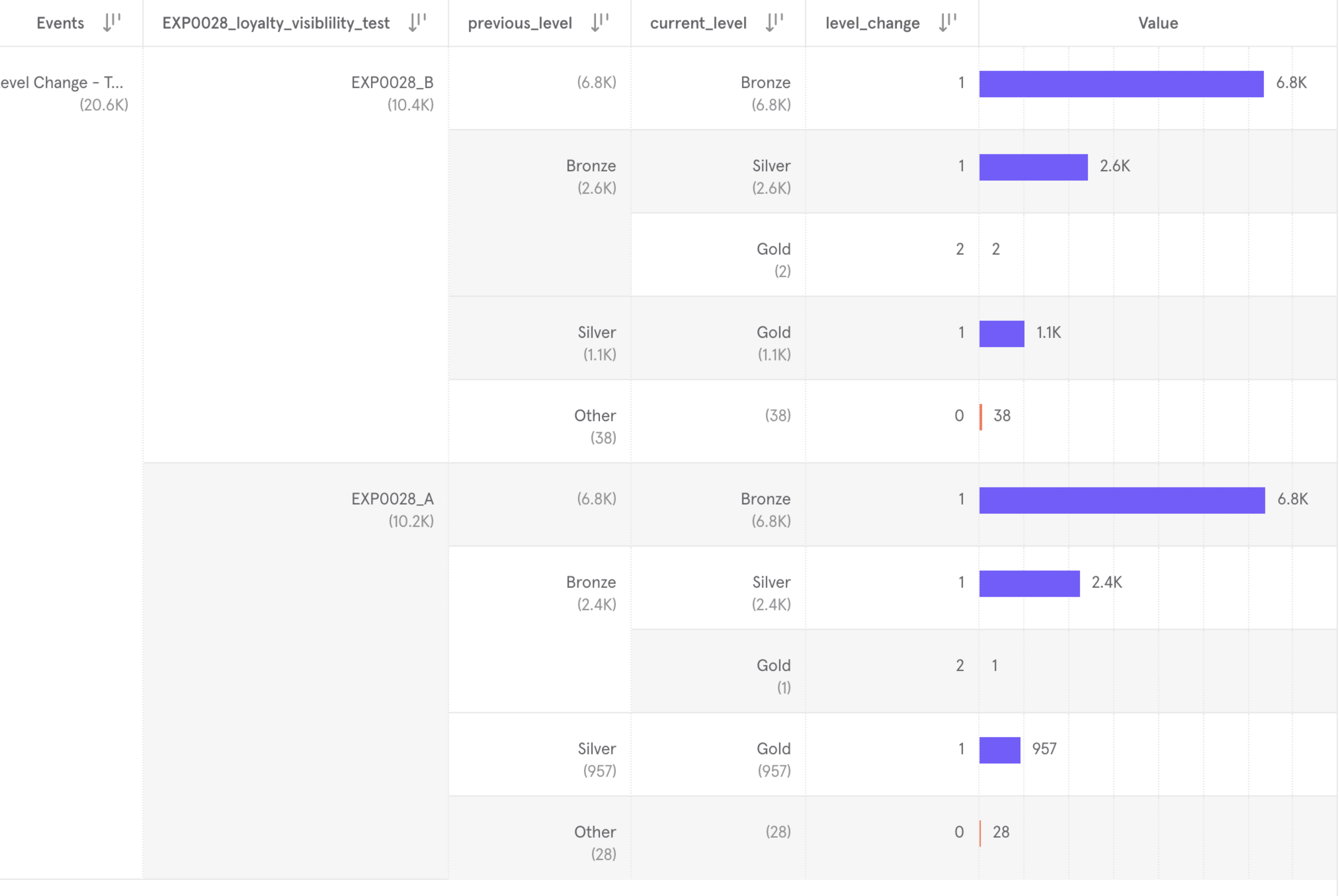
FREE NOW’s loyalty program—featuring Bronze, Silver, and Gold levels—had low visibility and engagement. Drivers misunderstood their current loyalty status and 25% of them didn’t know about the program

Key challenges included:
1. Awareness Gap: According to surveys, 24.7% of drivers were unaware of the loyalty program.
2. Lack of Clarity:
Drivers struggled to understand how to progress between tiers, as shown in feedback and data analysis.
3. Minimal Interaction:
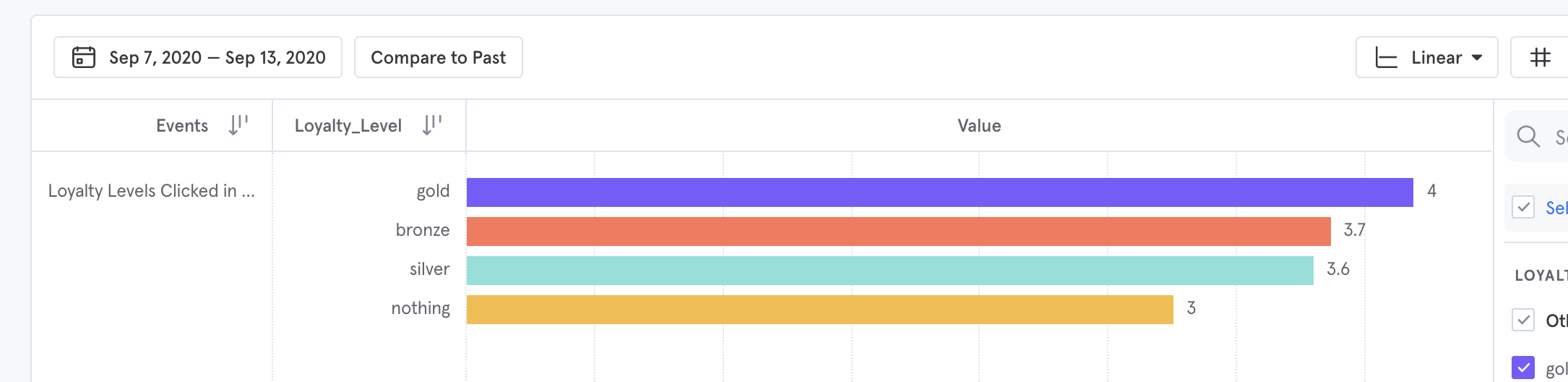
Data revealed that drivers rarely checked their loyalty level, with adoption rates stagnating.
4. Ineffective Visuals:
The old design lacked clarity, motivation, and feedback loops to encourage continuous engagement.
Understanding the problem
To address these challenges, our design team focused on the following objectives:
1. Improve Program Visibility
2. Clarify Tier Progression
3. Encourage Interaction
4. Redesign Visual Communication
Design Goals
User Research & Data Analysis: Conducted interviews and surveys with drivers to understand their perception of the loyalty program, with the invaluable support of the user research team. Key insights included confusion around tier progression and a desire for clearer feedback.

Analyzed Tableau metrics, which highlighted low interaction rates and minimal progression across tiers.

Drivers expressed frustration with the old system, saying things like, "I don't understand what the points mean or how they add up," and "It feels like there's no clear explanation of how to move from Bronze to Silver." Another driver mentioned, "I gave up trying to figure it out because it just wasn't worth the effort."
Design Process
Wireframing and Prototyping:
- Developed low-fidelity wireframes to experiment with new layouts and user flows.
- Introduced a gamified approach, displaying clear milestones and progress bars for each tier.
- Prototypes were tested with real drivers to ensure the new visuals resonated with their expectations.

Visual Redesign:
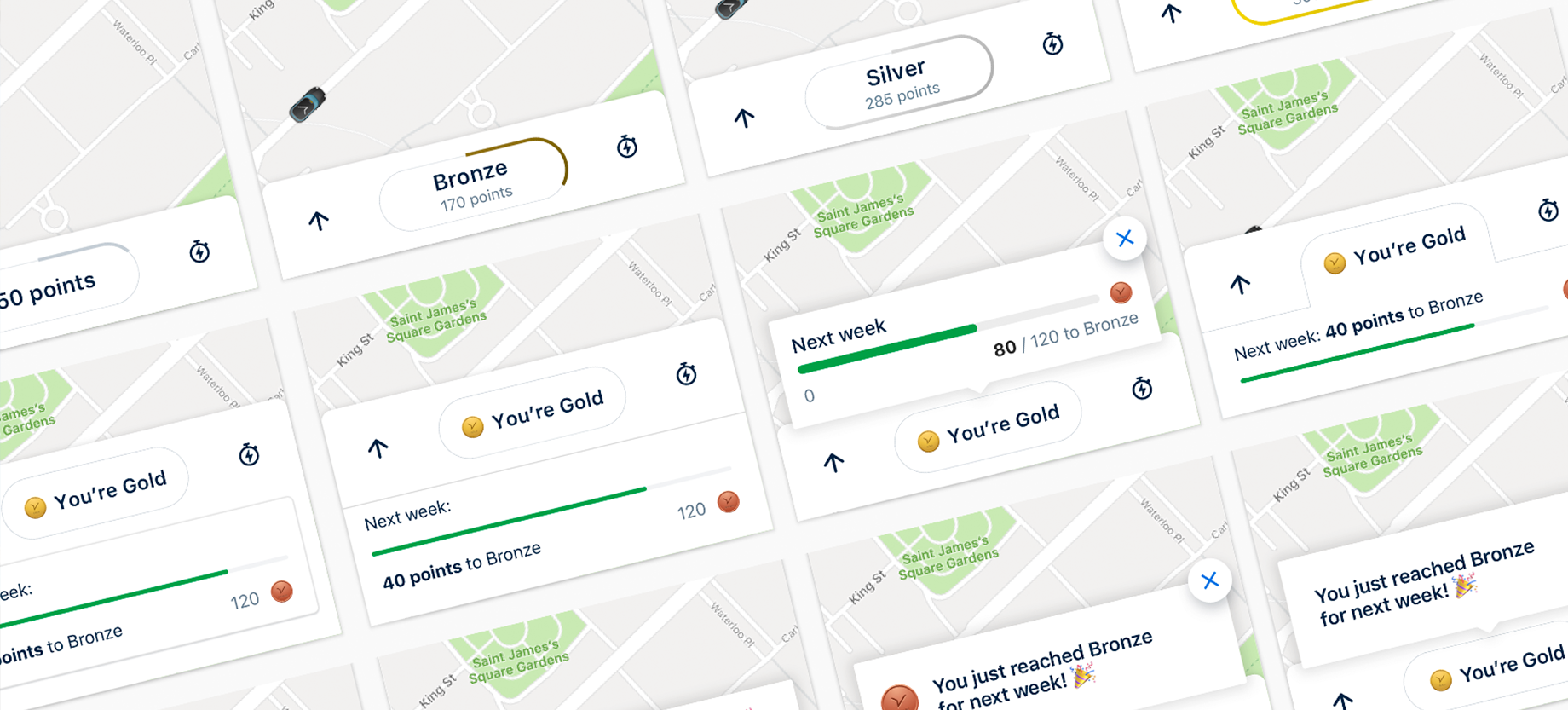
- Updated the loyalty dashboard with dynamic progress bars, personalized messages, and a celebration feature upon reaching a new tier.
- Designed a card-based system to display each driver’s current points, benefits, and upcoming rewards.
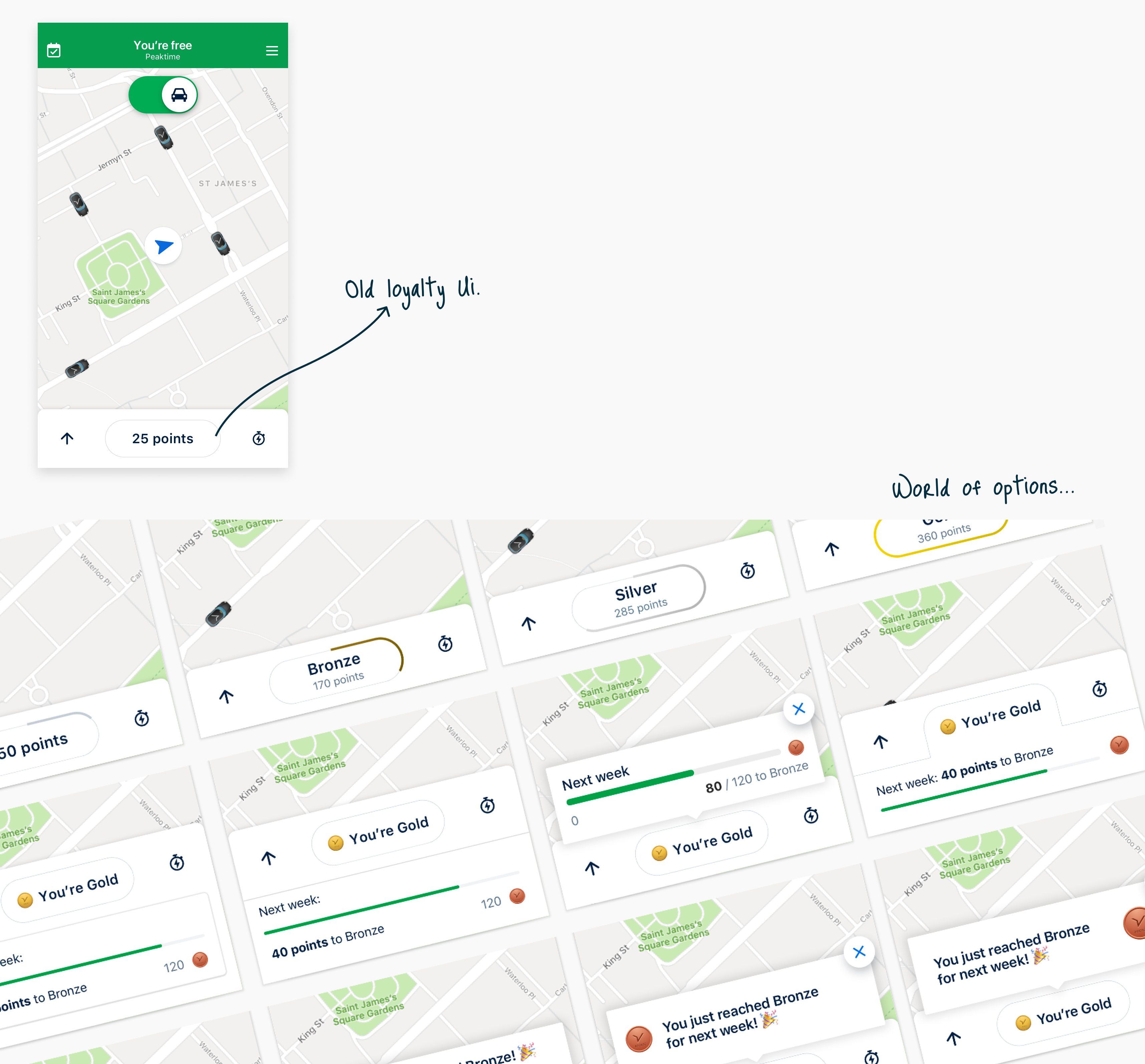
OPTION 01

This design provides a comprehensive view of the loyalty program, showcasing all available tiers (e.g., Bronze, Silver, Gold) and the progress required to reach or maintain each.

Drivers loved this Option!

Future Visibility:
Drivers appreciated seeing all tiers, as it gave them a sense of long-term progression and motivation. They could see not only their current status but also what they were working towards in the future.

Points-Focused Engagement:
The explicit display of points resonated with drivers, as they could easily understand how close they were to achieving the next tier. This made the loyalty system feel transparent and actionable.

lear Goals:
Progress bars combined with point-based feedback created a clear, goal-oriented system that drivers found intuitive.
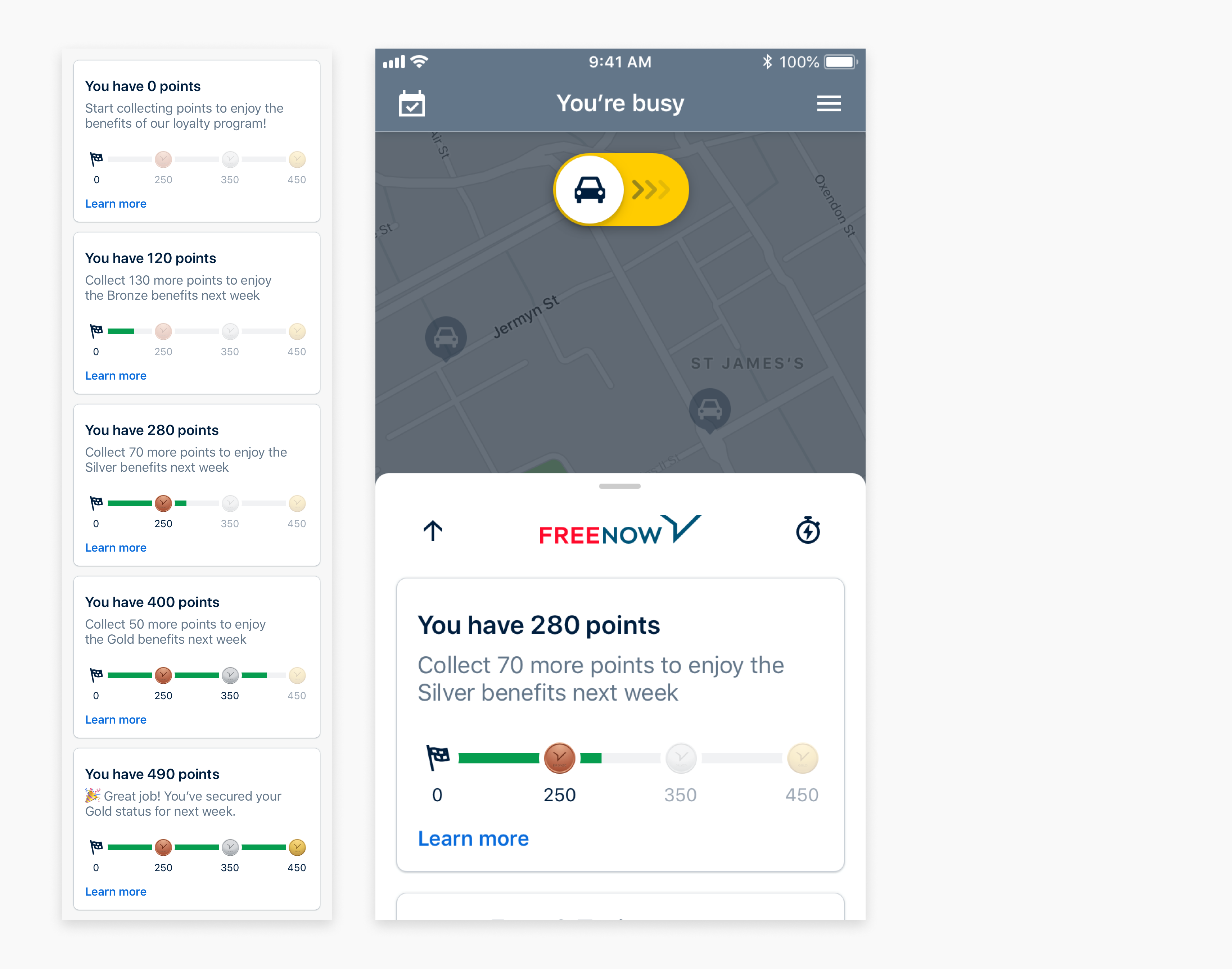
OPTION 02

‍
This design focuses on simplifying the interface by showing only the user’s current tier and progress toward the next one.

Drivers preferred the Option 01 over this one...

Lack of Context:
‍
Drivers felt that seeing only their current progress left them disconnected from the overall structure of the loyalty program. They wanted visibility into all available tiers to understand the full range of benefits and rewards.The second design didn’t convey the larger picture, making it less engaging for users motivated by long-term goals.

‍Reduced Motivation:
‍
The absence of future tiers made the loyalty system feel less aspirational. Drivers wanted to see what was next after their current status to stay motivated.Gamification elements, like visible milestones for each tier, were less pronounced in the second design.

‍Limited Feedback:
‍
While the second design provided immediate feedback on the current tier, it lacked the depth and engagement that drivers valued in seeing all tiers and their progress.
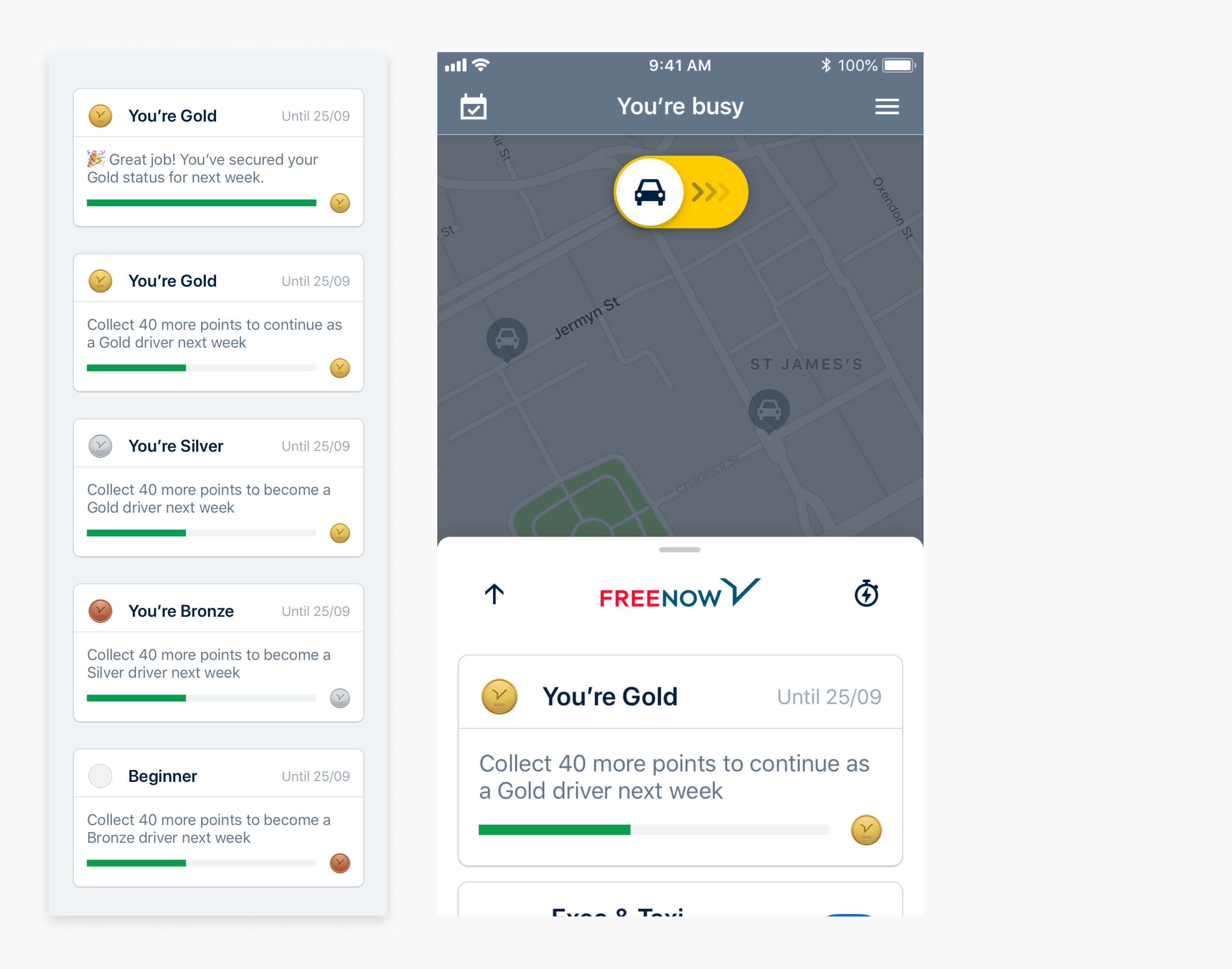
Rolled out two variations (EXP0028_A and EXP0028_B) of the first option design. Metrics like adoption rate and average loyalty level checks were closely monitored.

The redesigned loyalty program drove significant improvements:

1. Increased Awareness: The percentage of drivers familiar with the program increased from 75.3% to 92.8%.
2. Higher Interaction Rates: Loyalty level checks increased by 81.9%, with drivers actively monitoring their progress.
3. Improved Retention: Drivers in higher loyalty tiers showed a 25% increase in retention rates.
4. Adoption Growth: Tableau data indicated a 20% rise in Bronze adoption and a 15% increase in Silver and Gold tiers.
A/B Testing
This project underscored the power of user-centered design and data-driven iteration. By addressing real pain points and engaging directly with drivers, we transformed a stagnant loyalty program into a core feature of FREE NOW’s driver experience. I’m proud of the measurable impact our redesign achieved and the value it added to both drivers and the business.

The FREE NOW loyalty program redesign serves as a testament to the importance of empathy in design and the iterative process. Through collaboration, research, and testing, we successfully enhanced the driver experience and aligned the loyalty program with bussines.
Conclusion