Redesigning the surgical planning experience for Orthopedic Surgeons to enhance operating room experience.

XR, UX, Product Design
Role: Lead Product Designer
Company: Tailor Surgery
Years: Dec 2021 - Dec 2022
Tools: Figma, Miro, Unity, Blender,Usability Testing Frameworks
Project Overview
What if surgeons could cut surgical planning time in half and ensure unparalleled precision in the operating room? This vision became the driving force behind my project to redesign the surgical planning experience, addressing inefficiencies and leveraging cutting-edge technology to revolutionize the process.
Introduction
Imagine a world where orthopedic surgeries are streamlined, precise, and efficient, minimizing risks for patients while empowering surgeons to perform at their best. This vision became the driving force behind my project to redesign the surgical planning experience. By addressing critical inefficiencies in preoperative processes and leveraging modern technology, I aimed to revolutionize how surgeons prepare for and execute complex operations.
Understanding the Problem
Orthopedic surgeries often suffer from inefficient preoperative planning processes, leading to extended operation times, higher risks, and increased costs. Traditional planning methods using 2D images and disjointed communication between surgeons and suppliers create unnecessary delays and stress.

Recent advancements like those pioneered by Tailor Surgery, a spin-off from the Parc Taulí Research and Innovation Institute, showcase the potential for transformative solutions. Their platform integrates 3D printing technology, enabling surgeons to upload imaging data and receive customised surgical plans and tools within 48 hours. This approach has demonstrated up to a 60% reduction in surgical time and an 80% increase in accuracy, setting a new standard for efficiency and precision in orthopedic surgery.
Key Challenges
Orthopedic surgeries often suffer from inefficient preoperative planning processes, leading to extended operation times, higher risks, and increased costs. Traditional planning methods using 2D images and disjointed communication between surgeons and suppliers create unnecessary delays and stress, the results are:

- Lack of detailed preoperative planning tools.
- Inefficient communication channels between surgeons and medical suppliers.
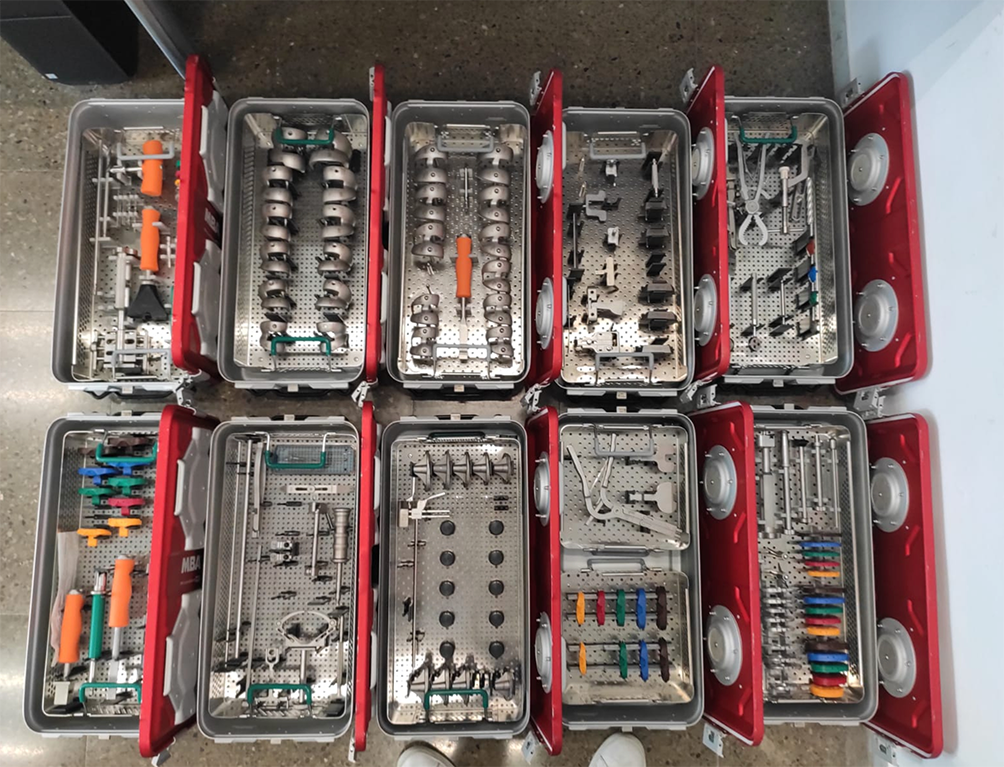
- Excessive reliance on generic instruments, resulting in imprecise surgical outcomes.
Design Goals
To design an intuitive platform that leverages cutting-edge technologies like 3D modeling and digital communication tools to enhance preoperative planning, reduce operation times, and improve surgical outcomes.
Design Process
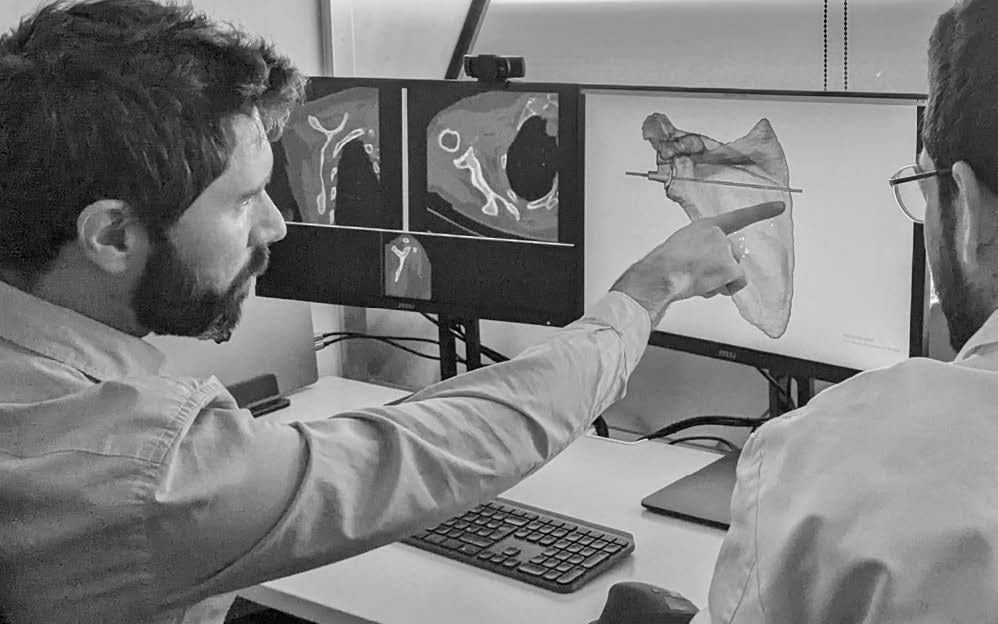
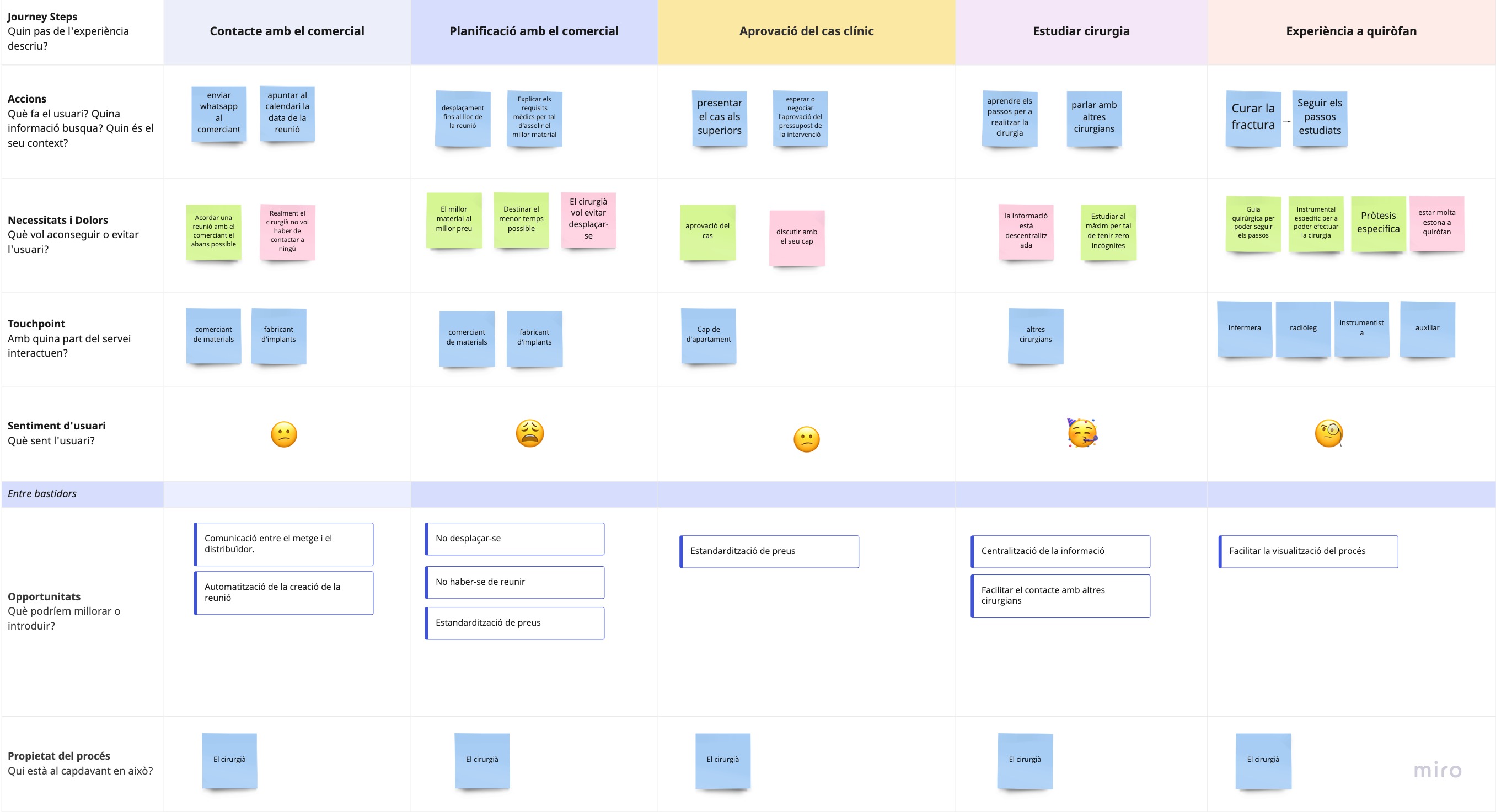
‍1.- Conducted desk research, interviews, and observations to deeply understand the user journey of surgeons, their pain points, and interactions within the surgical workflow.
‍
‍Stakeholders Consulted:
Orthopedic surgeons
Medical device suppliers
Hospital administrator
‍
‍Insights:
- Surgeons desire more accurate preoperative tools to reduce uncertainty.
- Communication with suppliers lacks a structured, streamlined process.

‍
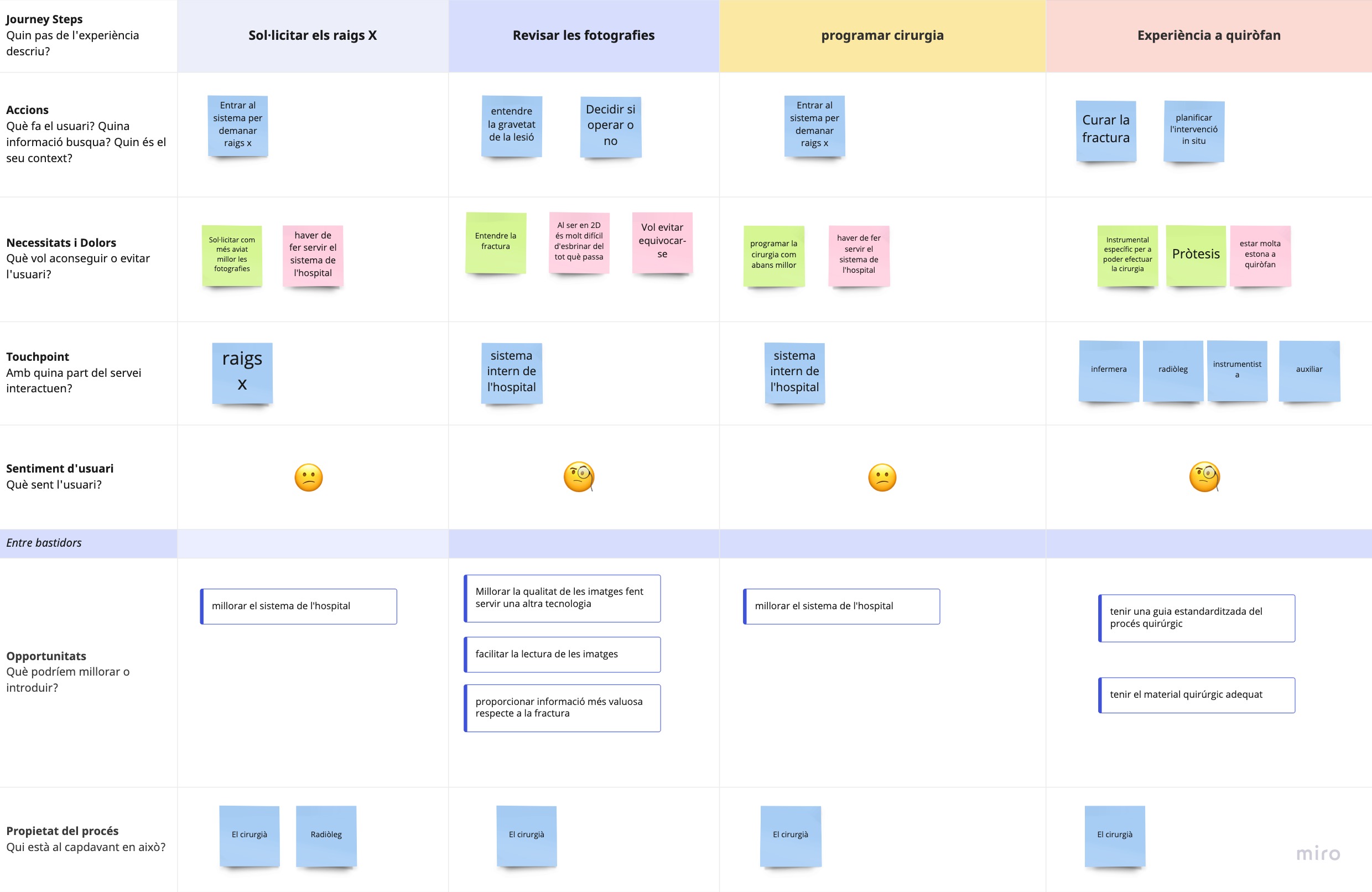
2.- Identified key user needs such as the need for precise surgical planning, streamlined communication with suppliers, and access to personalized tools. Created personas, scenarios, and user journeys to address these challenges effectively:

Primary Persona: Max, a 38-year-old orthopedic surgeon, highly motivated by precision and efficiency but frustrated by the lack of tailored planning tools.
‍
‍User Journey Pain Points:
- Time wasted coordinating with suppliers.
- High reliance on generic tools due to limited access to personalized instruments.
Design Process
3.- Brainstormed solutions using techniques like Lean UX Canvas and collaborative workshops. For instance, during one workshop, we mapped out a detailed user flow that revealed inefficiencies in communication channels, directly inspiring the integration of a real-time supplier communication feature into the platform.

Prototype
Proposed features:
3D visualization of patient anatomy for personalized surgical planning.
Integrated communication platform for real-time collaboration with suppliers.
Digital inventory management system to ensure equipment availability.

Landing Page, As a centralized dashboard summarizing patient data, surgical timelines, and communication history.
https://tailorsurgery.com/

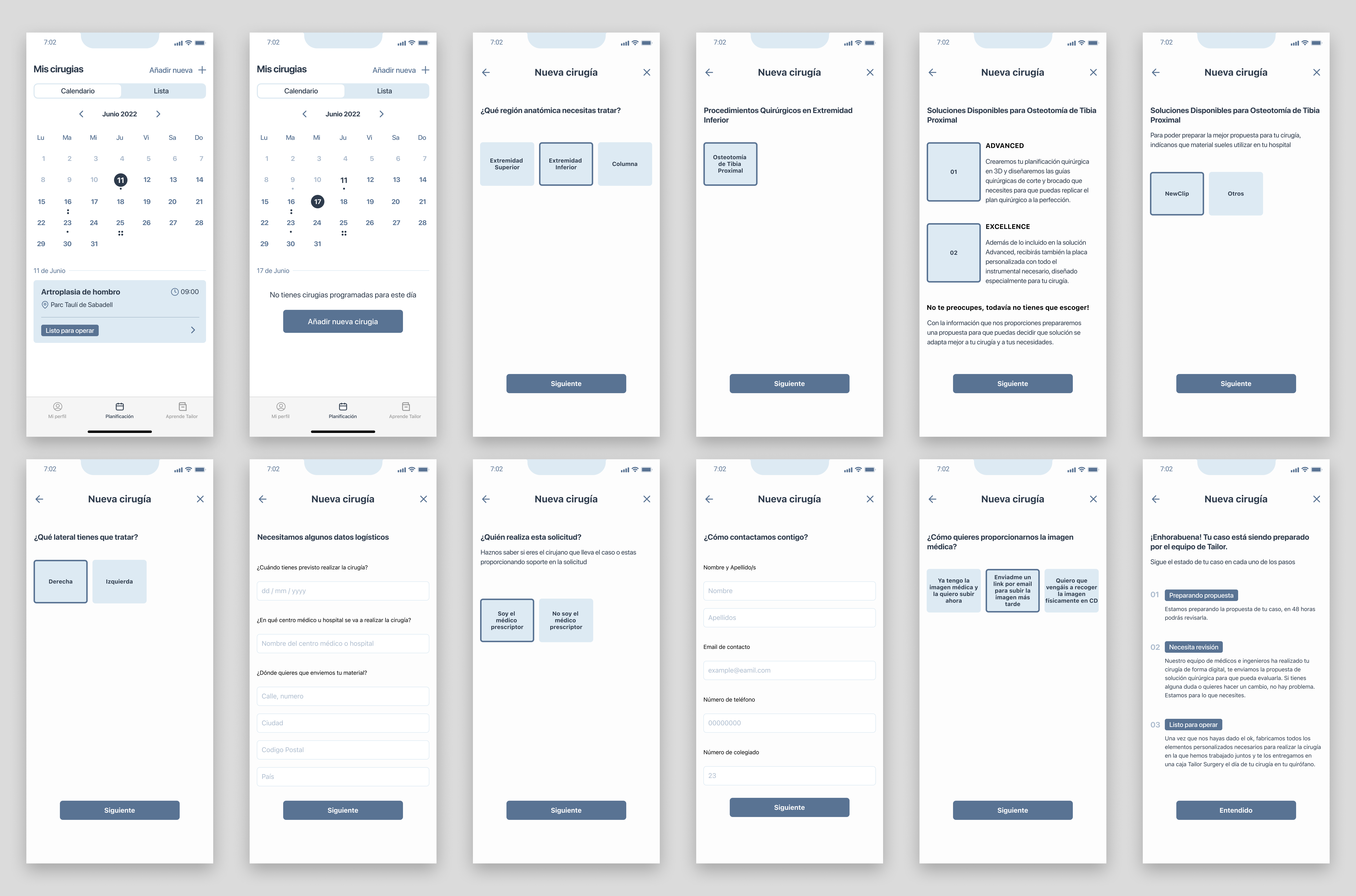
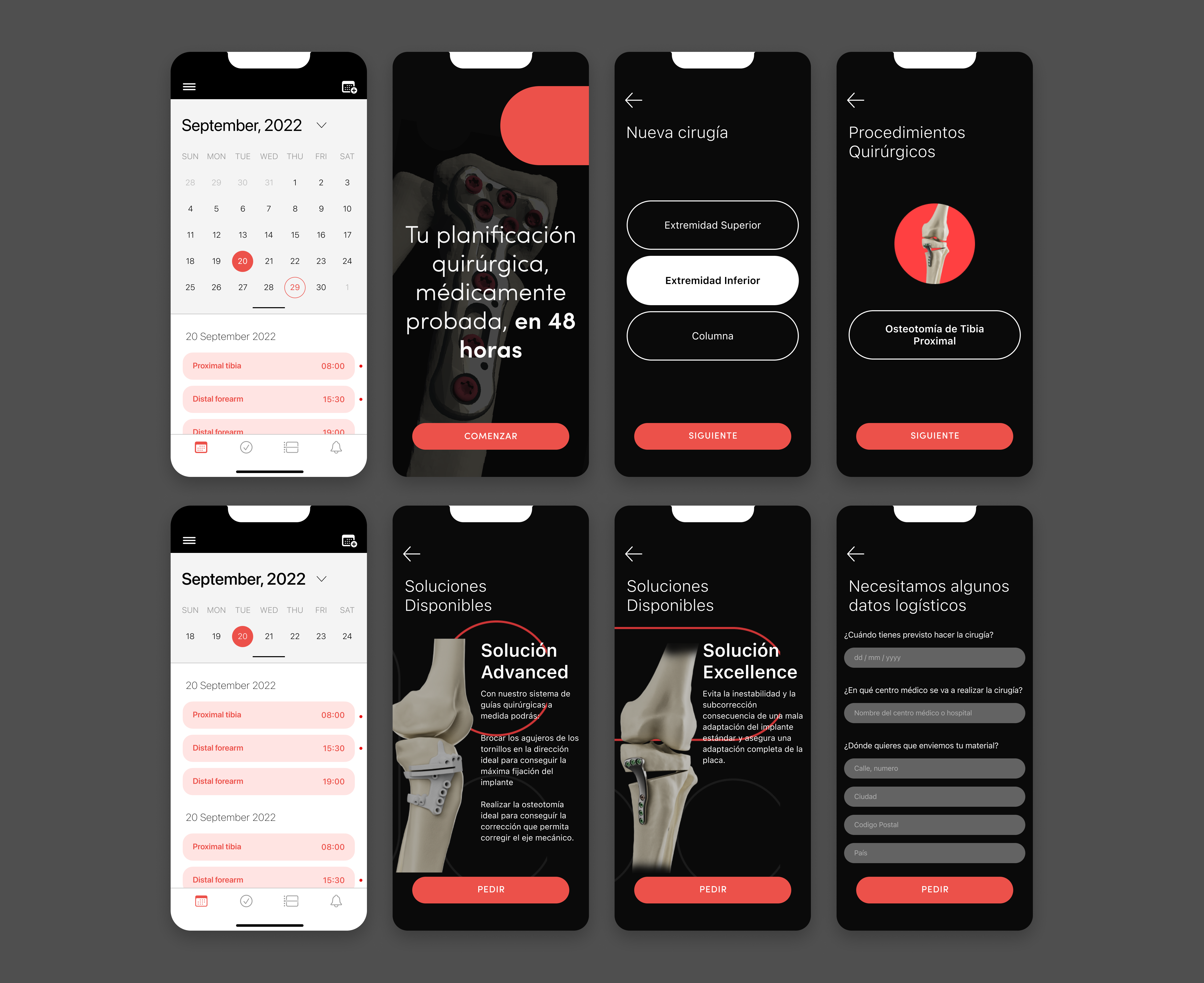
Native App, The native app is designed to serve as a comprehensive surgical planning assistant. It allows surgeons to manage their workflow seamlessly through features such as:

Surgery DashboardA centralized hub where surgeons can view upcoming surgeries, check their status, and access all related documents and resources.

Case Creation and TrackingThe app facilitates the submission of new cases by enabling users to upload patient data, input key details about procedures, and track the approval and preparation stages.

Real-Time UpdatesOffers notifications for changes in surgery schedules, updates on instrument availability, and direct communication with suppliers.

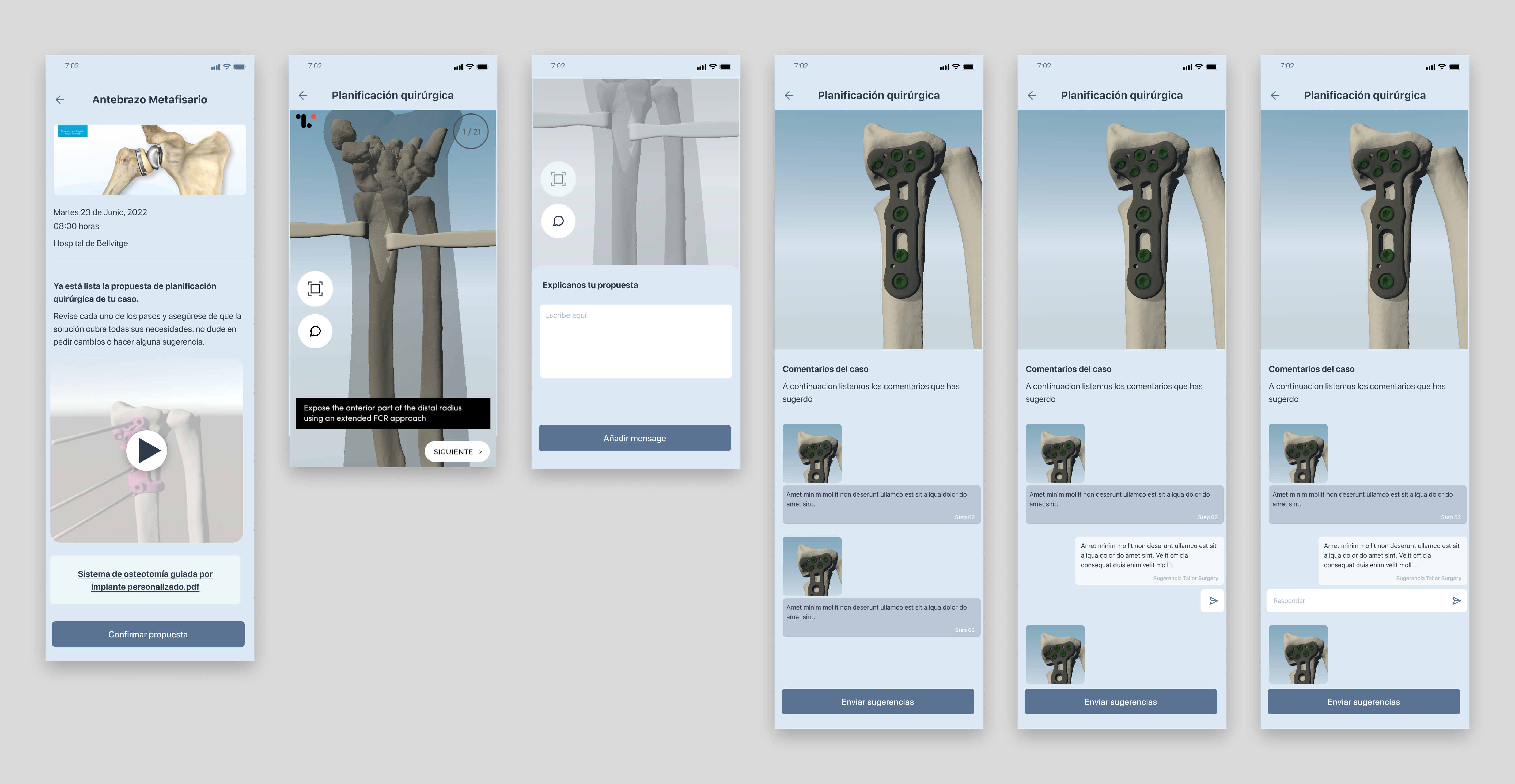
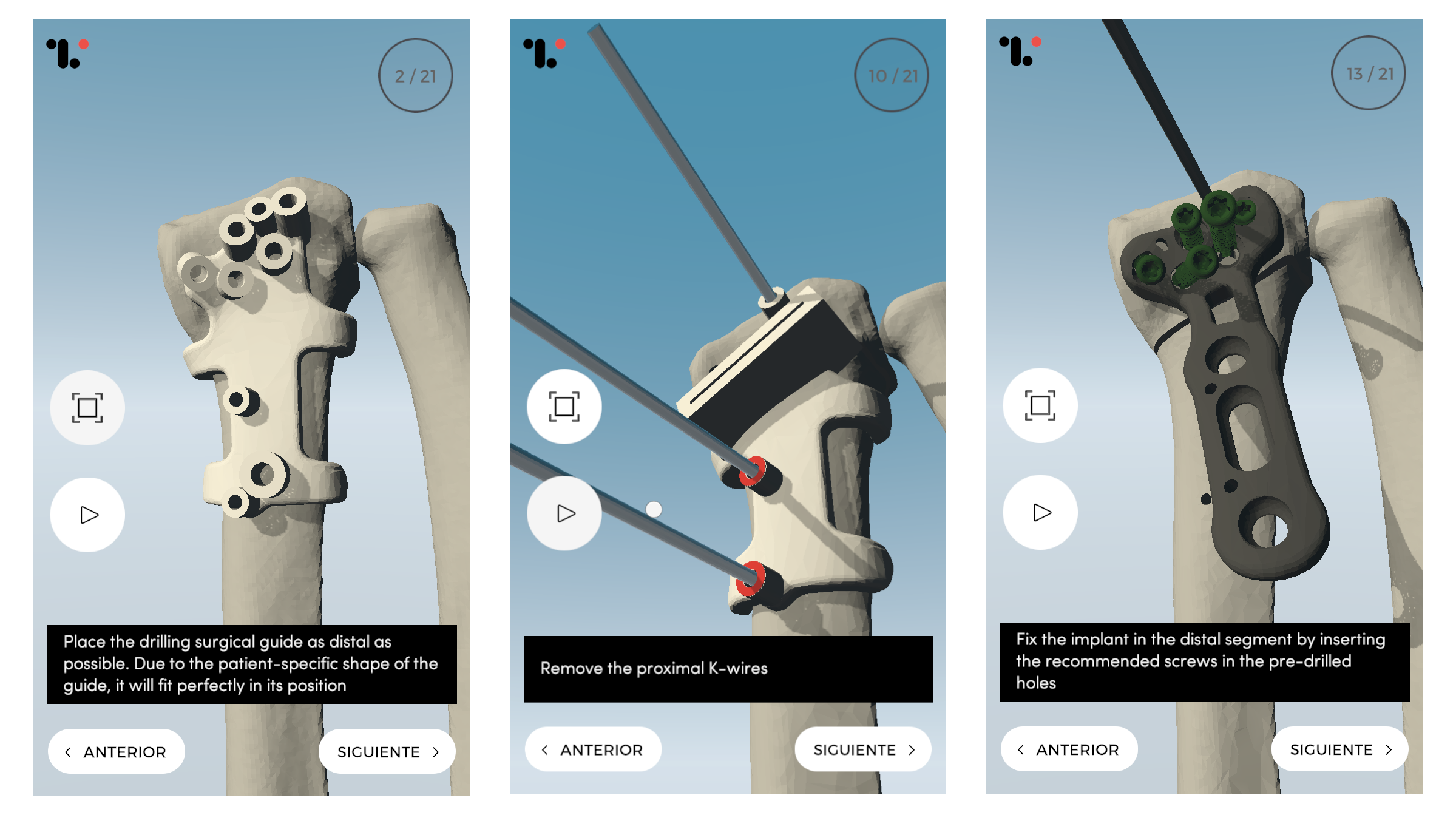
Interactive PlanningIntegrates with the 3D modeling tool to allow surgeons to review patient-specific surgical guides and approve or request changes directly from their devices.

Secure Data ManagementEnsures all patient information and surgical plans are stored securely while remaining easily accessible for authorised users.

Real-time CollaborationIntegrates with the supplier portal, enabling surgeons to communicate directly with suppliers to confirm the availability of specific tools or implants, streamlining logistics and reducing delays.


This native app ensures that surgeons have all the tools they need at their fingertips, promoting efficiency and accuracy in surgical preparation.

‍
Prototype
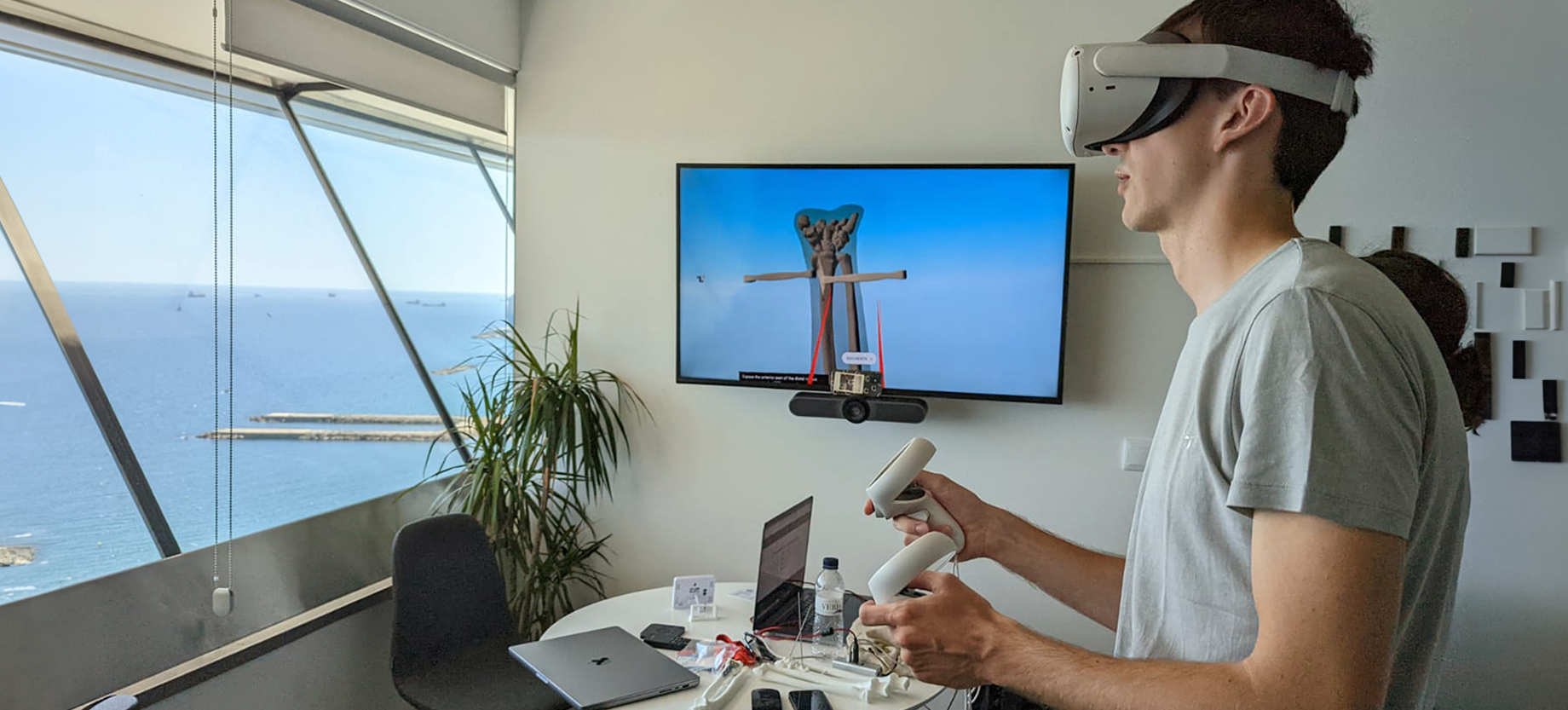
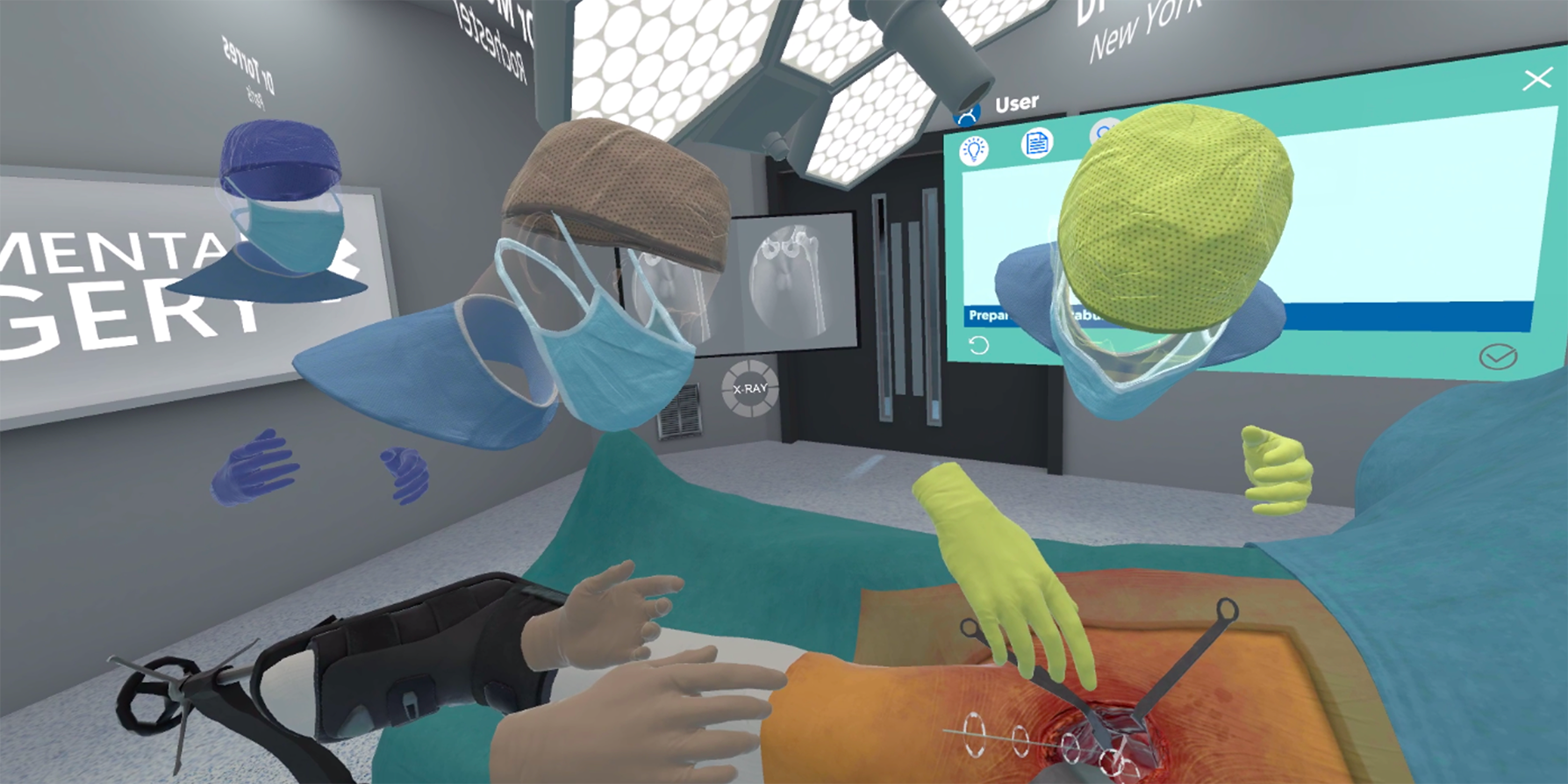
Interactive VR Tool, The 3D modeling interface is the core of the interactive planning tool. This feature allows surgeons to upload patient imaging data, such as DICOM files, and generate precise, patient-specific surgical plans. The interface provides:

Detailed VisualizationSurgeons can manipulate 3D anatomical models to explore fractures or abnormalities from multiple angles, ensuring comprehensive understanding.

Custom Surgical GuidesAutomatically generate guides based on input data to ensure precision in procedures, reducing the need for intraoperative decisions.

Simulation CapabilitiesTest surgical strategies in a virtual environment, allowing surgeons to refine their approach before entering the operating room.


These features, grounded in user feedback from orthopedic surgeons, aim to empower users with greater control, accuracy, and efficiency in surgical planning. 3D modeling interface for creating surgical plans tailored to individual patient anatomy.

‍
Test
Implemented rigorous usability testing with target users to evaluate the prototype:

‍Methods:
- Cognitive walkthroughs
- Heuristic evaluations
- Usability testing sessions with surgeons and medical suppliers
‍
‍Outcomes:
- Enhanced usability scores by 30% after iterative improvements, particularly in navigation clarity, reduction of steps to complete tasks, and increased intuitiveness of the 3D modeling interface.
- Reduced user-reported pain points in communication by 40%.

‍Results
- Efficiency Gains
: Reduced average surgical planning time by 60%.
- Improved Collaboration
: Established a unified communication channel, cutting response times by 50%.
- Scalability
: The modular design allows integration with existing hospital management systems.

‍
Reflections and Learnings
This project highlighted the importance of a user-centered approach in solving complex problems. For example, insights gathered from interviews with orthopedic surgeons led to the development of a 3D modeling tool, which significantly reduced planning time by allowing surgeons to visualize and customize surgical plans tailored to individual patients. By immersing myself in the user’s environment, I was able to uncover hidden inefficiencies and design a solution that genuinely meets their needs.

Key takeaways:
- Early user involvement is crucial to uncover latent needs.
- Prototyping and iterative testing lead to meaningful design improvements.
- Collaboration with multidisciplinary teams enriches the design process.

‍